
Minimalist pioneer Steve Reich turned 90 last weekend, on October 3rd—a major milestone for a living composer already in the music history books—and the international music community is celebrating. Concerts revisiting Reich’s historical catalog span New York City to Los Angeles in the United States and, internationally, from the United Kingdom to Germany and Paris.
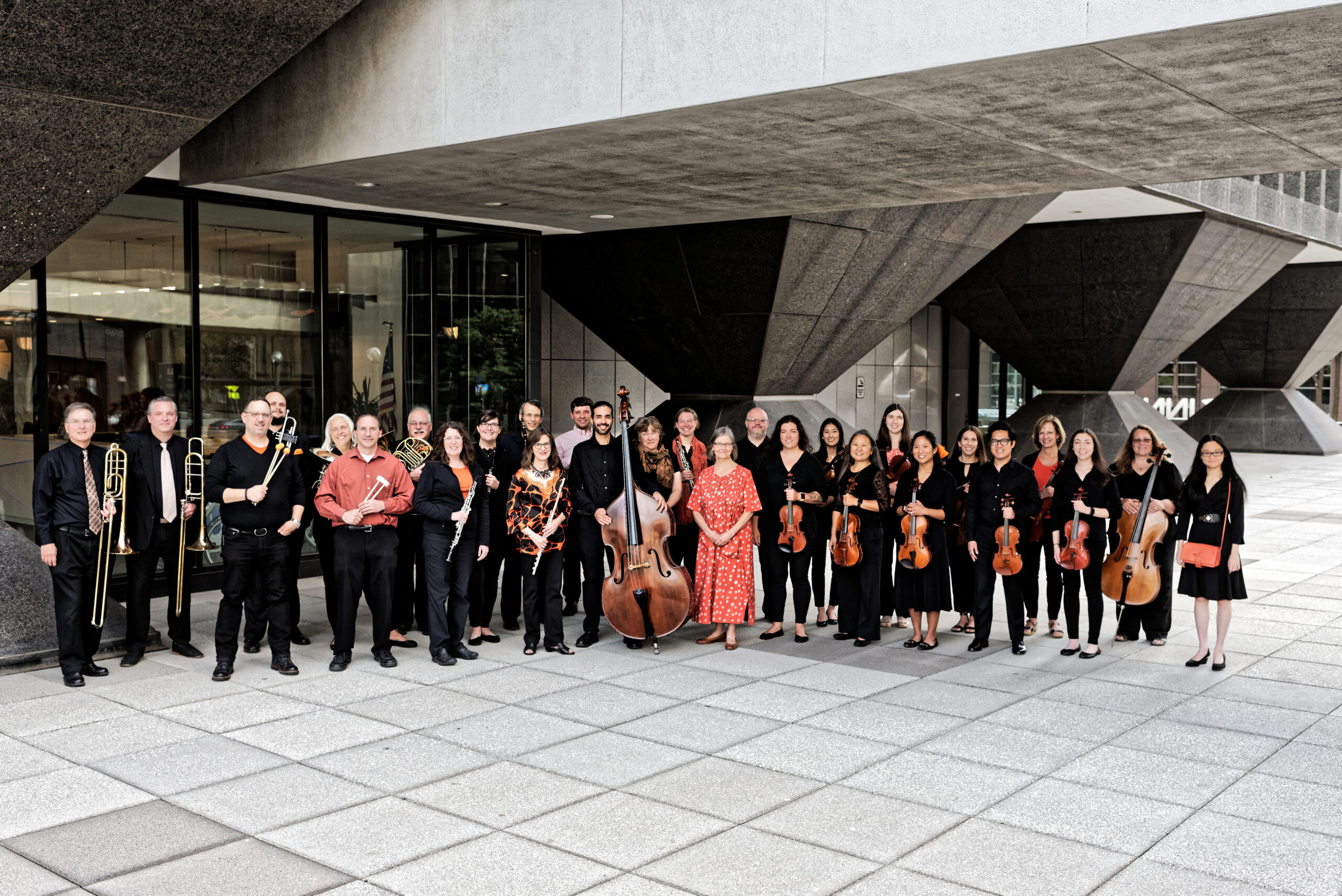
Rochester will be part of the celebrations in upcoming concerts by the Cordancia Chamber Orchestra.
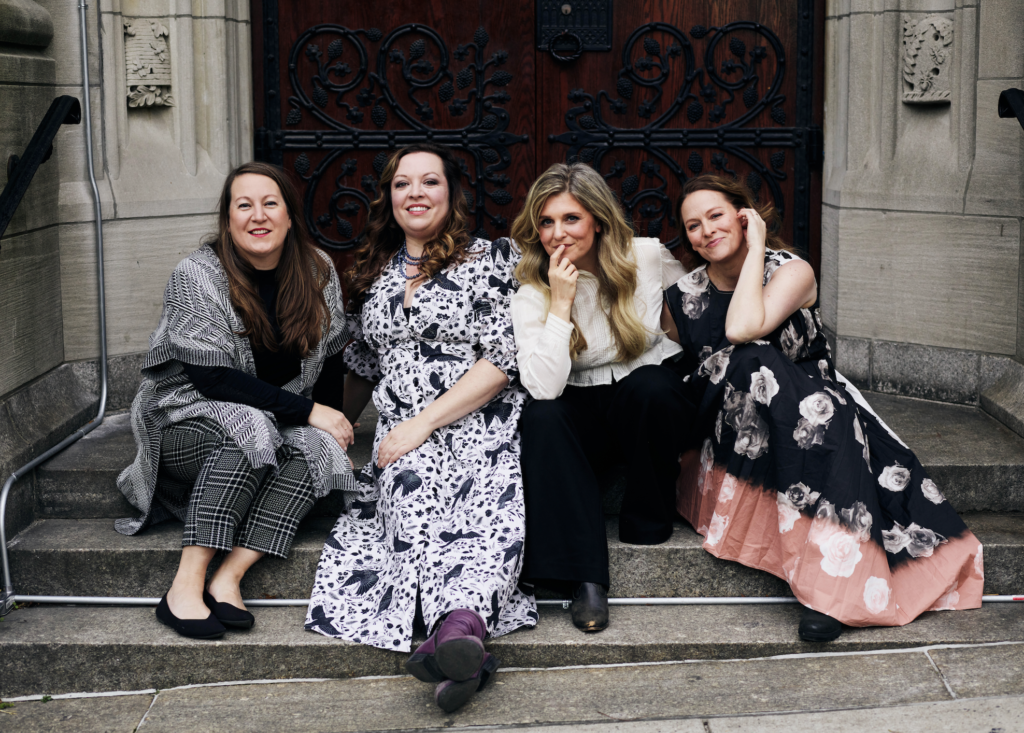
In three concerts over the long weekend—two in Rochester and one in Buffalo—the ensemble will present a program featuring Reich’s Tehillim, a 1981 work that marked a major shift in the composer’s output. The nationally known Quince Ensemble—an all-female new music vocal group—will be featured performers and will also perform Courtney Bryan’s Requiem, which Quince Ensemble premiered with the Chicago Symphony Orchestra in 2021.
“We’re extremely delighted to be part of the 90th birthday celebrations of one of our most influential living composers,” says Evan Meccarello, the artistic director and conductor for Cordancia.
It’s a meaty program for a community orchestra, but it shouldn’t surprise those who know Cordancia well. Since its founding in 2009 by violinist Pia Liptak and oboist Kathleen Suher—who combined the Italian names for their instruments, corda (string) and ancia (reed), to create the name Cordancia—the orchestra has built a reputation for mounting concerts of music outside the oft-performed conventional repertoire, with a focus on contemporary music.
Meccarello says that Cordancia can present such works because it is “at a nexus of player skill level and community commitment to innovative programming, and that is a particular cross section that you don’t find a lot of places.”
The ensemble was recently recognized for its unique programming with a second-place finish in the community division of the American Prize, also known as the Vytautas Marijosius Memorial Award. The competition judged Cordancia’s 2024–25 season repertoire, which included an ambitious selection of contemporary works with prominent soloists, as well as a unique collaboration with BIODANCE and the Seneca Park Zoo.
It’s the second time the orchestra has placed in the national competition for its programming. The first was for the 2014–15 season.
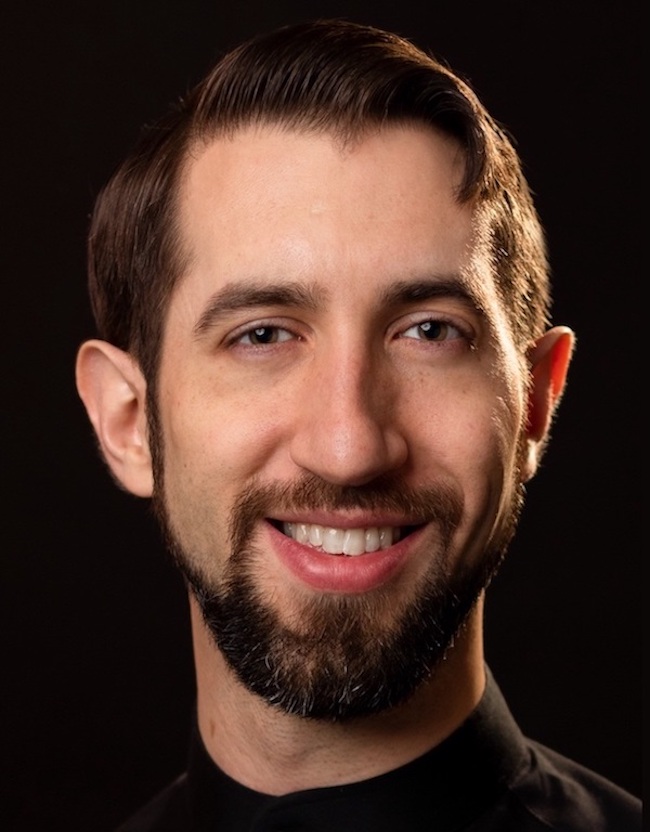
Meccarello conducted the Quince Ensemble with the Binghamton Community Orchestra several years back. Following the concert, Quince expressed interest in performing Reich’s Tehillim. Recently named artistic director of Cordancia, Meccarello knew he had the right ensemble to pull off the ambitious work.
Reich was a major figure in the stylistic development of musical minimalism in New York City during the 1960s and ‘70s, alongside composers like LaMonte Young, Terry Riley, and Philip Glass. Minimalism refers to music that uses an economy of elements, often static chords and repetitive rhythms. A return to consonance and emphasis on rhythmic groove was a reaction to abstract serialism. But so-called minimalist composer Louis Andriessen rejected the term minimalism, declaring “MAXIMAL music—I am a maximalist!”
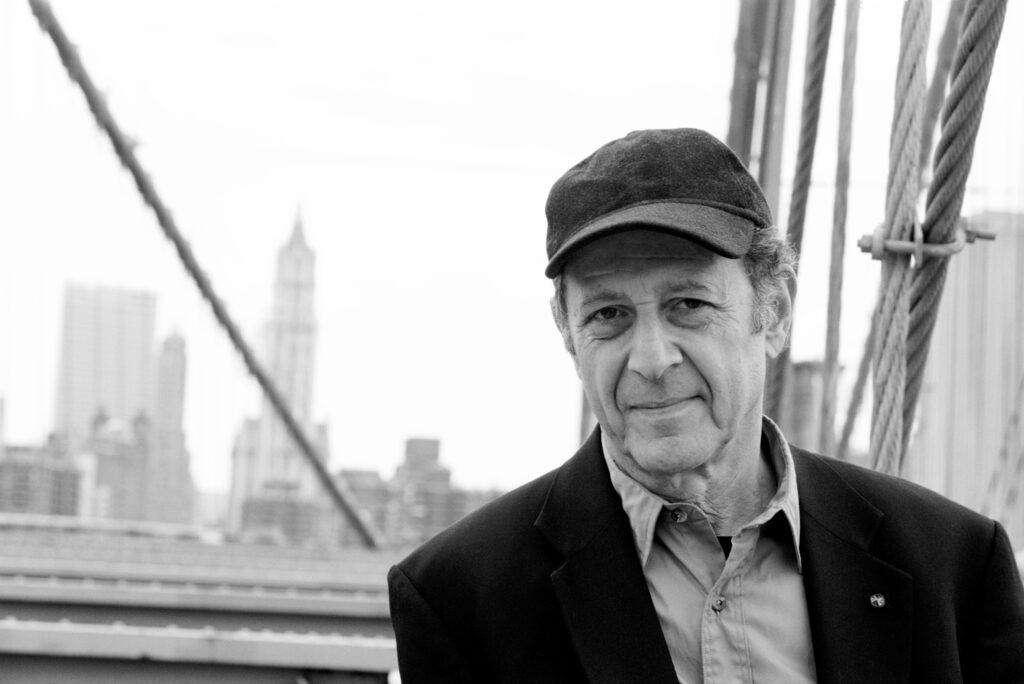
Reich innovated a technique called phasing, in which he looped small cells of melodic, motivic material and then offset them, creating a cyclic, meditative atmosphere that progressed through gradual rhythmic shifts. The music followed the logic of the offset musical cells, carrying the rhythmic process through to its end. Reich initially discovered this technique through experiments with electronic tape; he transferred it to acoustic compositions like Drumming (1970-71) and Clapping Music (1972).
In his famous Music for 18 Musicians (1978), Reich incorporated phasing into a work based on a hypnotic eighth-note pulse, but on a larger scale, with increased melodic and technical complexity. Each movement lives within a single consonant chord, and Reich writes affective swells throughout the 18-member ensemble. It is considered one of the most significant works of contemporary music ever written.
But with Tehillim, written for four treble voices, winds, strings, and percussion (and all but the percussion amplified), Reich took a different approach. Written in 1981, the work is Reich’s first to draw on his Jewish roots, setting Hebrew text selections from the Book of Psalms. Unlike with other religious texts, pre-existing melodies for the psalms were not passed down through Eastern European Jewish traditions, so Reich felt the psalms were open to interpretation. In his first mature work setting music to text, Reich lets the syllables of the Hebrew text, often irregular, dictate longer melodies, a departure from the short melodic patterns of his phase works. But the work often sounds much like his phase works because he sometimes writes the vocal lines in canons (also known as rounds), so they overlap much in the same way.
Rather than one extended work, as in his earlier pieces, he writes Tehillim in four parts: two fast movements, a slow movement, and a return to a faster one. The third movement, which is a conversation between pairs of singers, is based on a duet from the fourth cantata of Johann Sebastian Bach’s Christ lag in Todesbanden.
“Tehillim was a discovery,” Reich recalled in an interview from 2000. “I had certainly heard Stravinsky and particularly the Bulgarian rhythms that Bartók used, which are full of 5/8s and 7/8s, but my use of changing meters, as a non-stop continuity, began in Tehillim.”
Cordancia members have asked Meccarello how he manages to conduct meters that change every bar, in unusual groupings. Meccarello says it’s all about getting to know the text. “Then the rhythms become much more natural and straightforward, and the grooves that [Reich] builds out of them, you realize it’s just all additive processes of groups of two syllables and three syllables.”
He says the work’s virtuosity, however, comes from a deep focus on rhythm and groove.
Even if you’ve never heard of Reich, you’ve probably heard music shaped by his aesthetic. Minimalism might sound experimental in theory, but its repetitive beats and slowly morphing progressions have profoundly influenced popular music and are part of a lexicon of music heard broadly today.
One notable example is when the British electronic group The Orb sampled a passage from Reich’s Electric Counterpoint in their 1990s tune “Little Fluffy Clouds,” which then spread across the United States when a reworked version appeared in a Volkswagen commercial. Households across the United States were essentially hearing Reich’s music.
“It’s really cool when I talk to people about this concert and I can offer them references to music that they really love, and say yes, this composer directly influenced these artists,” says Meccarello. “It could be somebody in indie rock, or it could be somebody in EDM, and all these have these roots in the New York minimalism, of which Reich was a founding father, you might say.”
The Eastman School of Music also presented Reich works in recent September student performances by Musica Nova and the Eastman Percussion Ensemble. Eastman’s Brad Lubman, a professor of conducting and director of Eastman’s Musica Nova, has a close connection to Reich: he’s conducted premieres and recordings of Reich’s music, in direct collaboration with the composer, since the mid-1990s. With Ensemble Signal, a professional contemporary ensemble founded by his wife, cellist, and Eastman alumna Lauren Radnofsky, Lubman will conduct some of Reich’s 90th birthday celebrations upcoming this month in New York City.
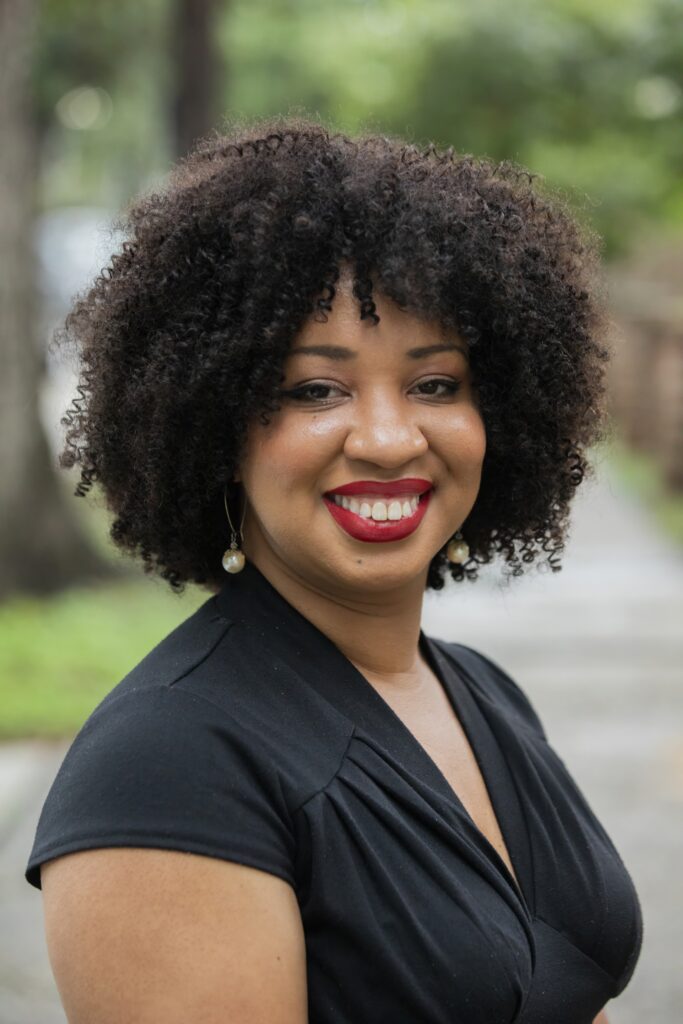
The other work on Cordancia’s program this weekend also draws on religious subject matter: Courtney Bryan’s Requiem, written in 2019 but premiered online during the COVID-19 pandemic with the Quince Ensemble and the Chicago Symphony Orchestra. Although it fits within a longer lineage of requiem masses in classical music, such as those by Mozart and Verdi, Bryan’s requiem draws on several diverse traditions while using biblical texts. In addition to the Anglican church burial services, she was also inspired by the Tibetan Book of the Dead, Neoshamanist dying rituals, and even New Orleans jazz funeral celebrations. Bryan, a 2023 MacArthur “Genius” Grant recipient, is a New Orleans native.
The requiem is less about the end of life than about the transition from life to death. Examples include the first movement, sung a cappella by the vocal quartet, which repeats the text, “all come from dust, and to dust all return,” and the second movement, which repeats the text “we will all be changed.”
Meccarello explains the requiem as “a really beautiful meditative work about cautioning the threshold of death.”
The first concert on Saturday, October 10 starts at 4 p.m. at the First Unitarian Church of Rochester; it will reprise on Monday, October 12 at 7 p.m. at the JCC Hart Theatre. The concert goes to Buffalo in between, on Sunday, October 11, at the University of Buffalo’s Slee Hall. See the Cordancia website for more information and to purchase tickets.
Cordancia’s following concert in November, called “Crossing Seas,” will feature a winner of its Nico Toscano Competition for Young Musicians, violinist Ella Zack, alongside works by some of today’s best-known composers, like Chen Yi and Huang Ru, that center the immigrant experience.
Featured photo by Gerry Szymanski.


Be First to Comment