
The Ames Amzalak Rochester Jewish Film Festival, organized by the Rochester Jewish Community Center, took place from Sunday, July 26 to Sunday, August 2, showing films that spanned from documentaries to narrative films, on historic to contemporary issues. Contributor Sudha Brightman attended several screenings and shares her experiences of the films:
The Safe House
Narrative, 2025, 88 minutes
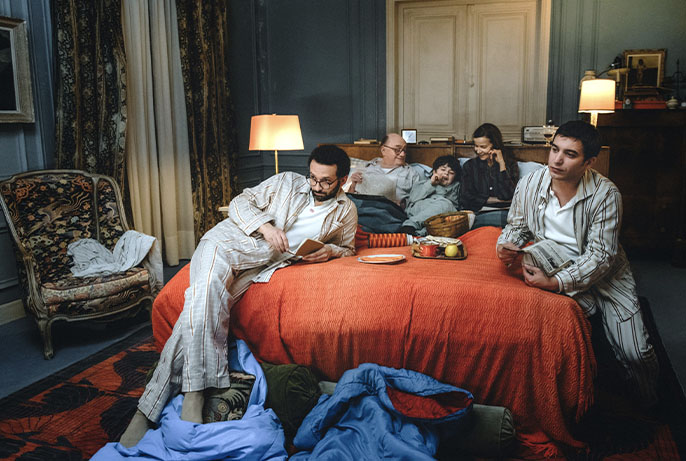
Lionel Baier’s film The Safe House (La cashe), based on Christophe Boltanski’s biographical novel of the same name, is a funny, poignant, and nostalgic film with postmodern sensibilities and interesting cinematic nods to Tati, Wes Anderson, and the self-aware, tongue-in-cheek panache of “Amélie.” The point of view is told from the adult version of a nine-year-old boy (Ethan Chimienti), whom we soon ascertain represents Boltanski himself.
The film takes place during the May 1968 revolution in Paris, an unstable time in French history marked by student demonstrations, labor strikes, and street unrest.
We learn that the boy is living in an old mansion in Paris with his uncles, grandparents, and Odessa-born great-grandmother, hiding from the May 1968 protests while his parents engage in those very protests.
The film’s actual title, La Cache, means “hidden” in French. The “hidden” in The Safe House means many things besides the family hiding out in different rooms within the mansion; they are the hidden voices of oppression in Paris, the hidden memories of the past, and the hidden pain of modern-day Jews trying to live with the trauma of the Holocaust.
I felt the narrative structure and quirky, self-reflexive style were entertaining, but I would have loved more focus on the family’s history during Nazi occupation and its effect on them in 1968. The performance by the late, beautifully expressive actor Michel Blanc is especially emotional, interspersed with lovely comic timing across different scenes. The juxtaposition of political upheaval with the wounds of the Holocaust is a tall order to portray as a convincing, heartfelt comedy, but I feel The Safe House is wonderfully unique in the canon of Holocaust-themed films.
Ada: My Mother the Architect
Documentary, 2024, 81 minutes
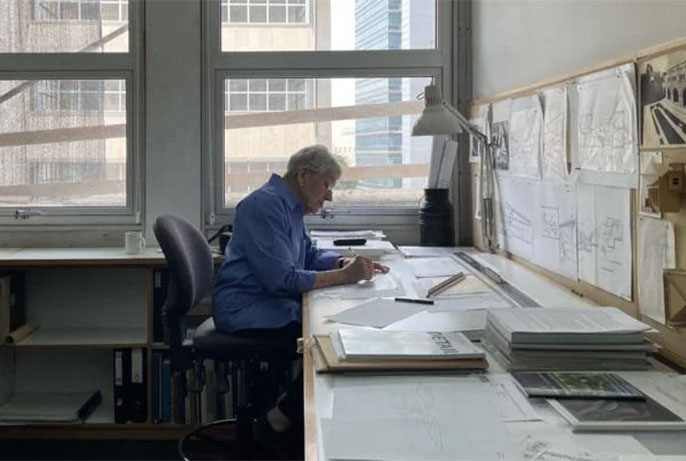
The Supreme Court of Israel, an architectural structure of impeccable design, was created in part by Israeli architect Ada Karmi-Melamede, the main subject of the film Ada: My Mother the Architect. The creation of this building was an arduous effort fraught with complications as documented by the subject’s daughter and filmmaker, Yael Melamede. However, the real challenge of Ada’s life was not becoming one of Israel’s top architects, but how to develop her career while also being a wife and mother. The exploration of this conflict is the most compelling element of Ada.
The film shows us, through interviews with Ada, family members, associates, and the filmmaker’s own accounts, the life of a very tenacious, competitive, and talented architect who had to make emotionally difficult decisions about her future, including a move to Israel while her family lived in the US.
Melamede explores her own conflicts with Ada candidly and without fear of reproach, through brief moments of direct criticism pointed at Ada. However, there are also subtle, tender gestures, such as joking and laughing with Ada or walking hand in hand with her, that show the filmmaker’s love and respect for her mother.
As a filmmaker, Melamede has a beautiful eye; the cinematography and shot composition are skillfully structured and speak to her prior training as an architect.
I appreciate Ada for its view into an accomplished woman’s career and life, and for its complex study of a complicated yet loving mother-daughter relationship.
Charles Grodin: Rebel with a Cause
Documentary, 2025, 92 minutes
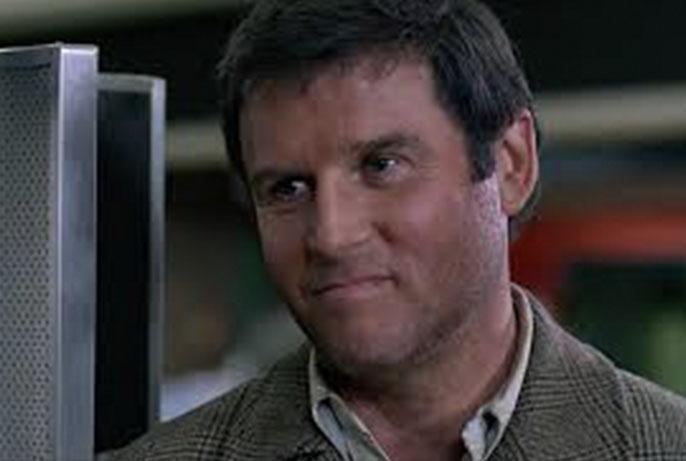
Charles Grodin has been known throughout his career as a deadpan, wry, and scene-stealing misanthrope, but he has also been an author, talk show host, director, playwright, and lifelong activist for social reform and progressive causes. This latter detail has not always been at the forefront, but is now a significant part of this impressive documentary by James L. Freedman. We learn about Grodin’s prison reform activism and intense desire to help specific inmates being unjustly incarcerated. Grodin spent much time, energy, and his own money to help these individuals seek justice. In addition, Grodin used his talk-show host status as a platform to discuss his progressive political and social views and passion for social justice. At times, Grodin was dismissed and maligned for these views, but nothing deterred him from his beliefs, not even the threat of his career failing.
It was particularly interesting to learn about Grodin’s early life in Pittsburgh, PA, and how the sudden loss of his father forever emboldened him to pursue a life of self-advocacy and compassion for others. I felt moved by Grodin’s incredible generosity throughout his life and his desire to maintain integrity in the glamorous, at times superficial, world of Hollywood.
The film also allows us to appreciate Grodin’s cinematic and comedic accomplishments. We see Grodin’s work in films such as The Heartbreak Kid (1972), Midnight Run (1988), Catch-22 (1970), and Beethoven (1992), as well as in dramas like Rosemary’s Baby (1968), and in his theater work in Same Time Next Year (1975). We see hilarious clips and hear great memories from Ellen Burstyn, Robert De Niro, Elaine May, Martin Short, and Alan Arkin, to name a few. These are the Hollywood contemporaries interviewed who give glowing accounts of their professional and personal experiences with Grodin.
Rosenthal: The Great Showman
Narrative, 2025, 92 minutes
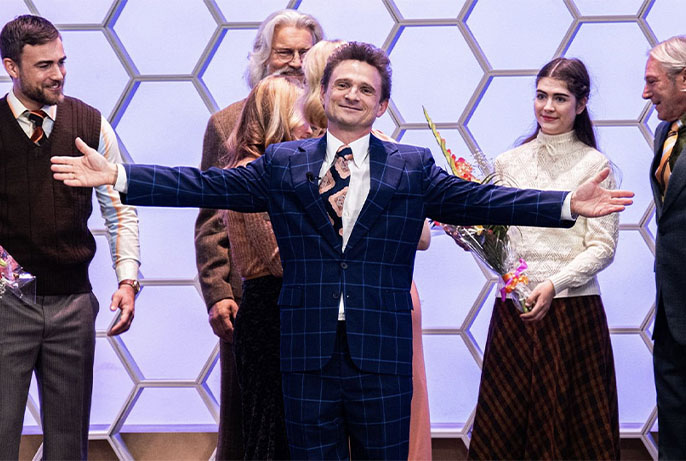
Hans Rosenthal was at the top of his game—pun intended. In 1978, he hosted Germany’s most popular game show and was a beloved television celebrity. However, despite the public’s adoration, Rosenthal kept secret a painful side to his past: that he was Jewish and a Holocaust survivor. This secret is the driving conflict in the riveting and gut-wrenching Rosenthal: The Great Showman.
Rosenthal did not discuss with the world his experiences with the Holocaust. Only his family knew the actual events. He was reminded through his friends, colleagues, and the network itself that the Holocaust was in the past, and the focus should be on making German people happy. In 1978, German Chancellor Helmut Schmidt invited Rosenthal to be a guest of honor at the first-ever televised 40th-anniversary ceremony for Kristallnacht. Coincidentally, the TV network ZDF wanted a special celebratory program of Rosenthal’s game show “Dalli, Dalli” to be aired live on the same day. ZDF forced Rosenthal, through repeated refusals, to host his show as a mandatory fulfillment of his contract. Rosenthal, deeply conflicted, tried in vain to request a date change for his show, but all attempts were thwarted. This created a significant moral dilemma and an existential crisis that permeated his personal and professional life.
What is particularly stunning in this film is how we see certain characters ready to move forward from the horrors of the Holocaust after 40 years. In fact, many characters throughout the film had no awareness of Kristallnacht, or of its significance to Jewish people in Germany. This callousness is furthered with Rosenthal having to endure impertinent questions about him being Jewish and how he survived the Holocaust. In addition, Rosenthal is reminded of his duplicity by a young Jewish activist who repeatedly conveys her anger at his apparent lack of conviction.
We are reminded throughout the film of the toughest game Rosenthal has to play: being a genial, fun-loving host while making the most difficult decision of his life against a backdrop of indifference and denial.
Rosenthal: The Great Showman is a fascinating account of this story and a reminder that the past should never be forgotten.






Be First to Comment