
Films at the intersection of history and modernity are featured at the Ames Amzalak JCC Rochester Jewish Film Festival (RJFF), which runs through Sunday. The festival is celebrating its 26th year. Films range from comedic takes on modern Jewish life, Holocaust stories, Borscht Belt vacations in the Catskills, autobiographies of Jewish people of diverse circumstances, and documentaries about the October 7th, 2023 attacks in Israel.
“This year’s festival is so incredible and features stories from the past as well as current events, all told in interesting ways,” says Marc Cataldi, the Jewish Community Center’s arts and culture company manager.
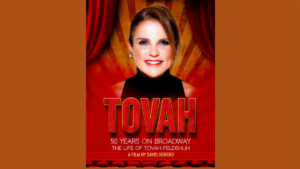
RJFF has selected 26 films from 150 submissions worldwide, spanning both award-winning documentaries and narrative films. Countries such as Israel, Belgium, Spain, France, Sweden, Germany, Morocco, Poland, Iran, and the USA are just a few that are represented in these selections. Festival events include post-film discussions with actors, directors, and film experts, including actress Tovah Feldshuh, directors David Serero, Barry Avrich, and Nancy Spielberg (Steven Spielberg’s sister), and Michael Dobkowski, a professor emeritus of religious studies at Hobart and William Smith Colleges. Other events include prize giveaways, music performed by the Rochester Philharmonic Orchestra, and parties to open and close the festival.
Screenings take place at two locations: the JCC Hart Theater and the Dryden Theater at the George Eastman Museum.
The festival also has a new director, Marci Wiseman, who began in January.
“This has been a dream job, this intersection of the Jewish community and cultural arts,” says Wiseman, who shares a last name with legendary documentary filmmaker Frederick Wiseman but is not related. She brings more than twenty years of experience as a Jewish educator and in organizations that support the Jewish community, including grant writing, fundraising, and legal assistance. She also directs the JCC’s Authors & Innovators Festival, which will take place October 29 to November 16 at the JCC.
Since the COVID-19 pandemic in 2020, the combination of streaming platforms, cost of tickets, and challenges in film distribution have had a major impact on theater attendance in the U.S. Wiseman hopes to encourage people to come back to the theater by making the RJFF a welcoming event that is engaging, thought-provoking, and ultimately entertaining for all in the community.
“Film is community,” she says. “All people of all backgrounds want to be entertained. Film can bring people from all walks of life together into one room, laughing and feeling connected. I want to feel that when I go to a movie, doesn’t everyone?”
RIFF films are selected in early autumn each year and a 13-member committee screens and rates each film. Films must meet certain screening standards, including quality, thematic relevance, and connection to the Jewish experience and history.
JCC Patron Services Coordinator Elaina Bachmann explained that many RJFF patrons enjoyed watching films in theaters but were frustrated by long lines and difficulty finding ideal seats. But thanks to RJFF’s new ticketing reservation system, patrons can purchase and reserve their seats online and arrive at the theater to find their selected seats without hassle. This type of convenience is an advancement in film viewership, making the in-person moviegoing experience more appealing.
Visit this link for a full RJFF schedule.
Here are a few recommended films across the remainder of the festival, Thursday through Sunday:
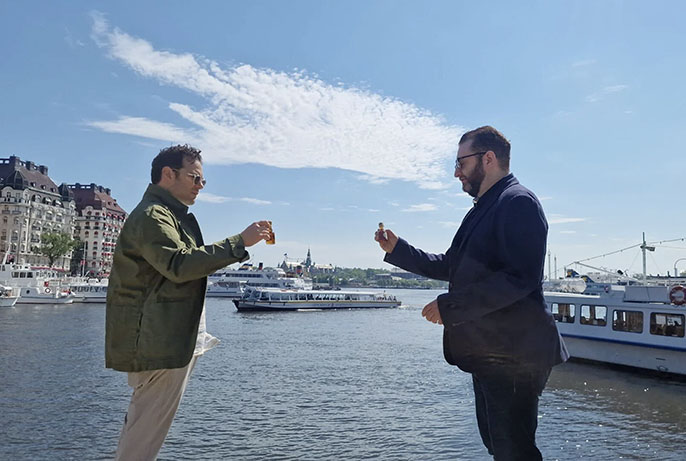
Swedishkayt
Documentary, 76 min.
Thursday, 1:30 p.m., JCC Hart Theater
Come see this unique exploration of how the Jewish community connects itself with modern Sweden today. Interesting and entertaining look inside how Jews in Sweden live and acculturate. Sweet treats courtesy of RJFF to follow the screening.
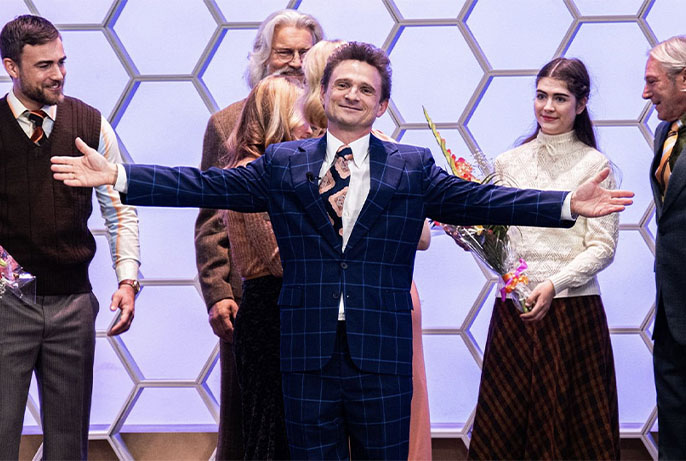
Rosenthal: The Great Showman
Documentary, 92 min.
Saturday, 7:45 p.m. Dryden Theater
This film is a story about Hans Rosenthal, known as the “Alex Trebek” of Germany’s most popular game show in 1978. The film explores Rosenthal’s existential conflict about identity—religious, cultural, and social—and the consequences of his choices.
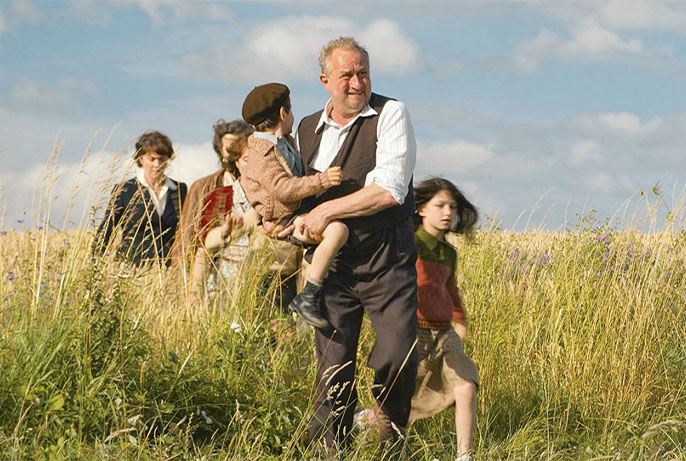
Lucky Star
Narrative, 85 min.
Sunday, Noon, Dryden Theater
This film combines farcical elements with the suspense and drama of a thriller set against the backdrop of WWII. With a “comedy of errors” tone, Lucky Star employs the comedy tools of mistaken identity, falsehoods, and happenstance to tell a story of survival.




Be First to Comment